

What is Montessori?
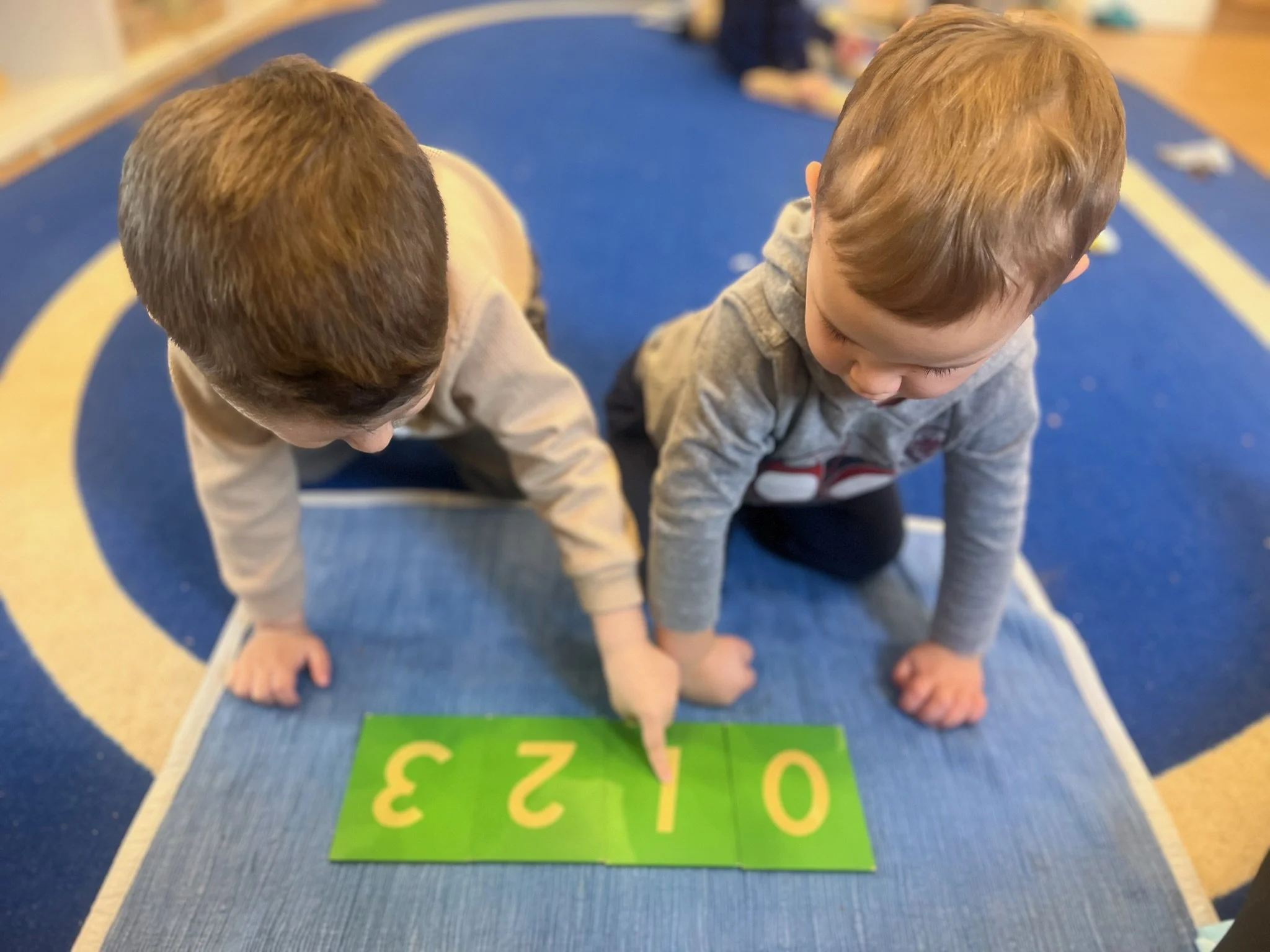
Montessori is an educational approach built on the belief that children are naturally curious and capable learners. In a thoughtfully prepared environment, they are free to explore and discover rather than just memorize facts. The result is confident, creative, and compassionate individuals who love learning.
Montessori is a child-centered approach that asks a different set of questions than traditional school.
Instead of “How do we get every child through the same lesson at the same pace?” we ask:
✔
✔
✔
What is this child ready for right now?
How can their environment invite movement, curiosity, and focus?
How do we protect their natural love of learning?
In a Montessori classroom, children:
Choose meaningful work from carefully prepared options.
Move freely within clear, consistent boundaries.
Work with hands-on materials that make abstract ideas concrete.
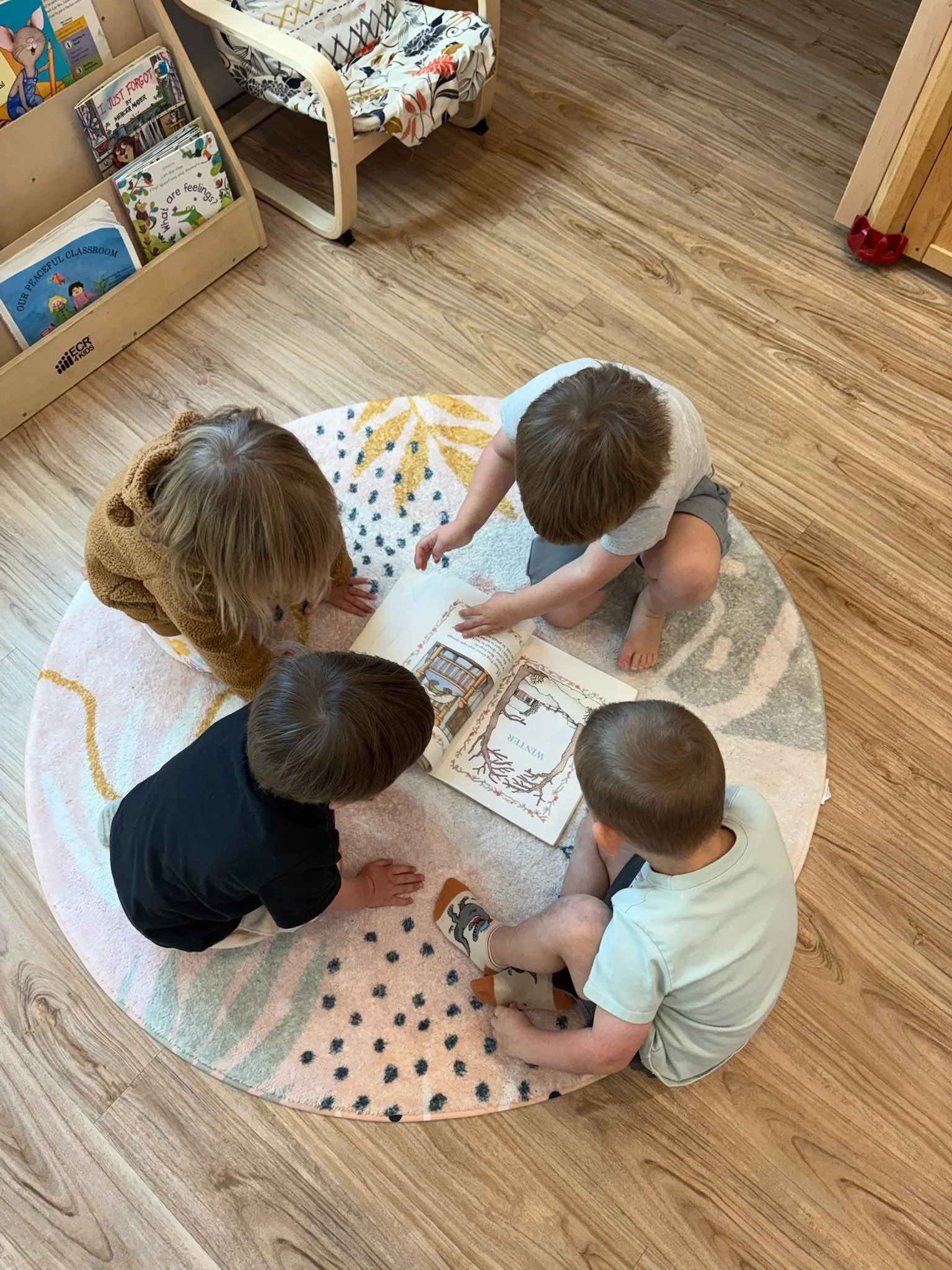
Learn from older peers and model for younger ones in mixed-age groups.
The goal is not to push children ahead, or hold them back. The goal is to help each child grow at a pace that respects their development, while building independence, concentration, and joy in learning.
A favorite Montessori idea at Our Journey is this:
“Whoever touches the life of the child touches the most sensitive point of a whole, which has roots in the most distant past and climbs toward the infinite future.”
— Dr. Maria Montessori
That long view shapes how we treat every child who walks through our doors.
Who was Maria Montessori?
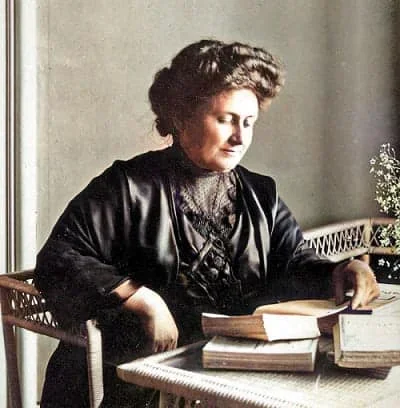
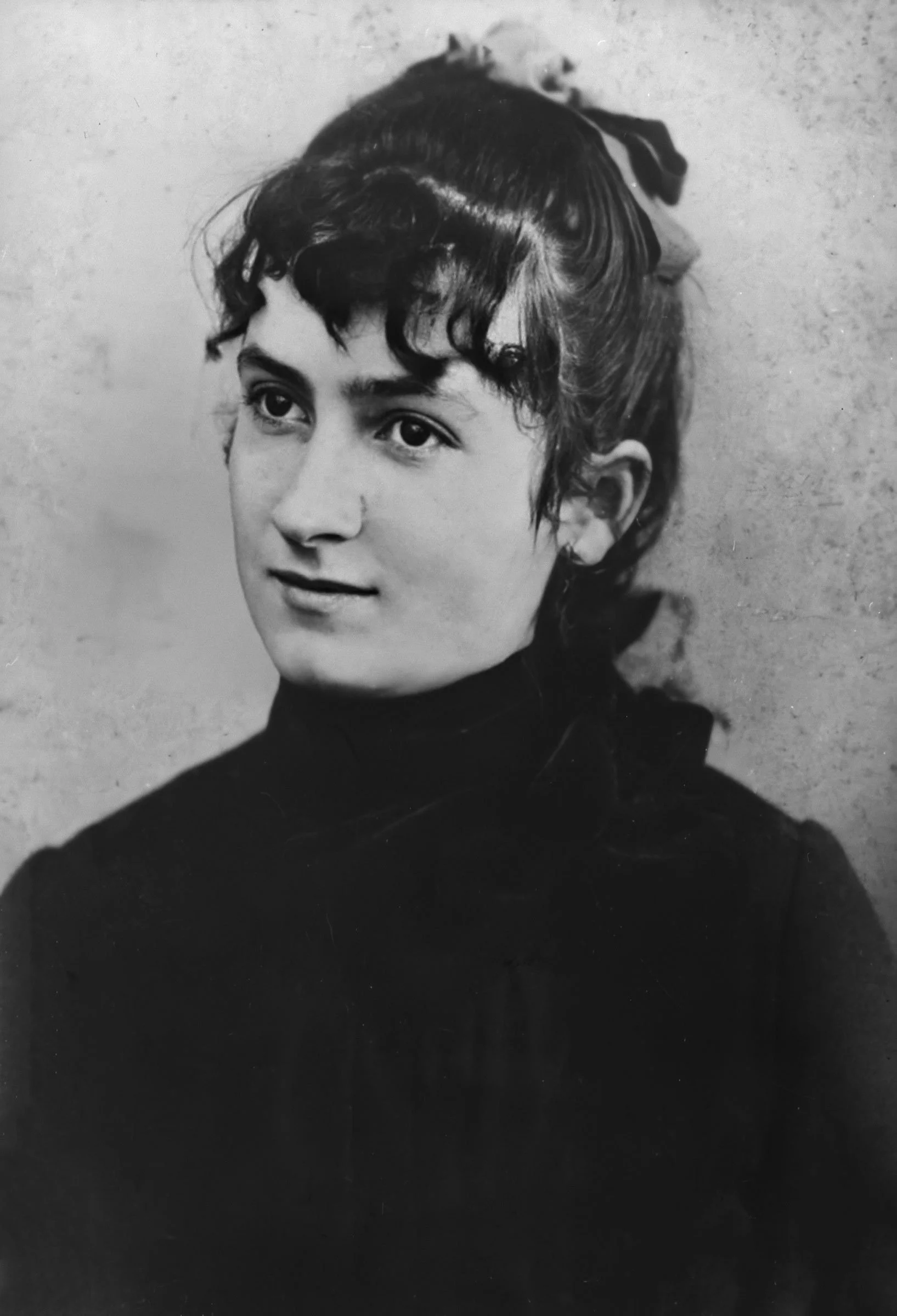
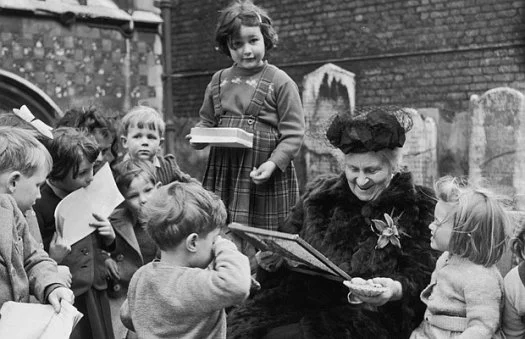
Maria Montessori was an Italian physician and educator born in 1870. She was one of the first women in Italy to earn a medical degree. Early in her career she worked with children who had been labeled “challenged” or “uneducable.”
Instead of accepting those labels, she watched closely. She experimented with hands-on materials, gave children more freedom, and focused on their dignity and potential. The results were astonishing. Children who had been written off began to pass the same state exams as their peers.
That experience led her to a bold conclusion: maybe the problem was not with the children. Maybe it was with the way we were teaching.
In 1907 she opened the first Montessori school, Casa dei Bambini, in Rome. There she saw children teaching themselves to read and write before age five, choosing work over aimless play, and concentrating for long stretches without pressure or rewards.
Maria believed education is not something adults do to children. It is a process that unfolds from within, when a child is offered the right environment, respect, and guidance.
She spent the rest of her life refining this method, training teachers, and opening schools around the world. Today, Montessori education is practiced globally in both private and public settings, from infant programs through high school.
At its heart, Montessori is still about the same thing: creating spaces where children can develop fully as thinkers, creators, and human beings.
What a Montessori classroom feels like
If you step into a Montessori classroom at Our Journey, you are likely to notice a few things right away.
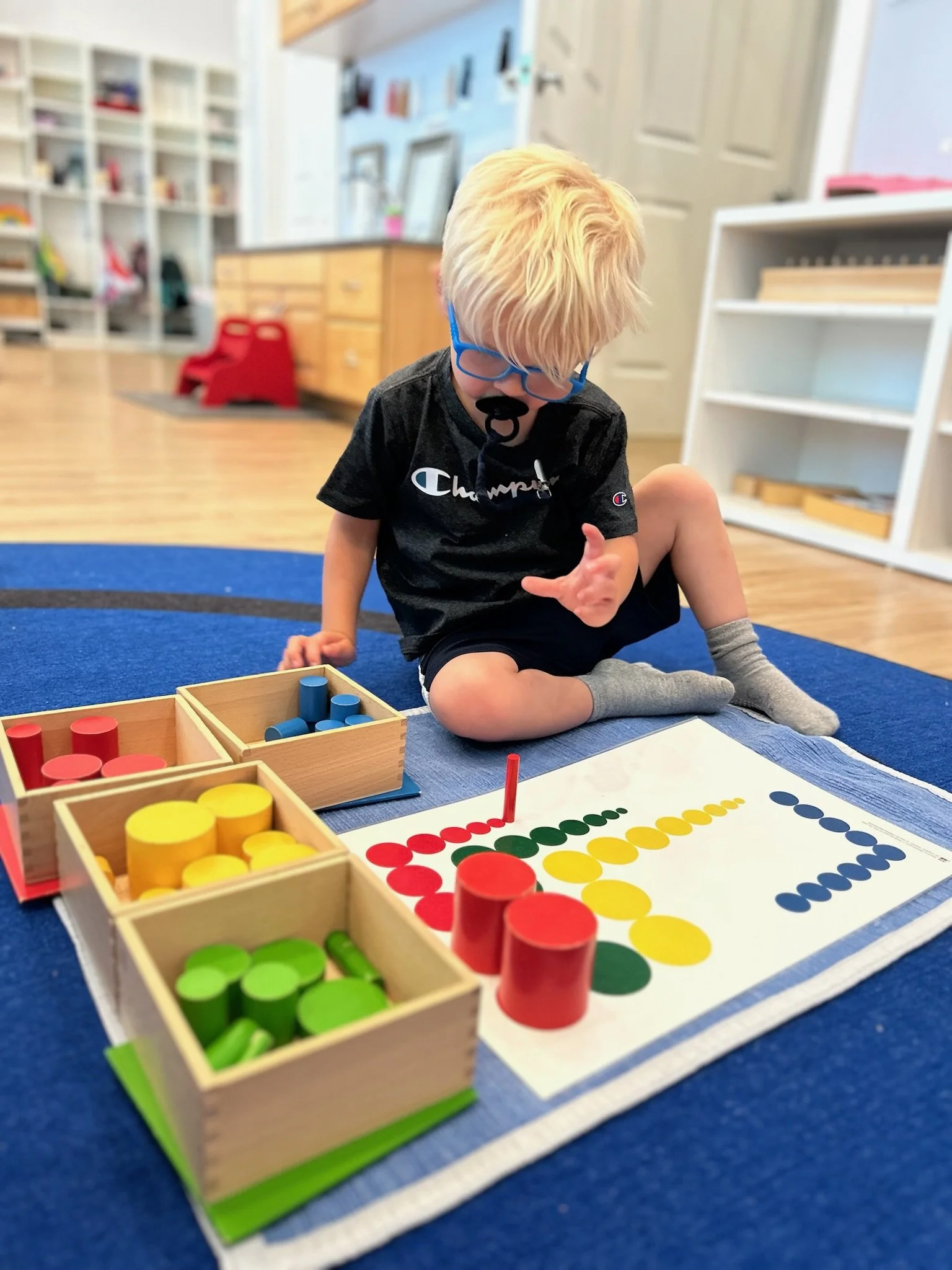
The room feels ordered and calm, with low shelves and beautiful materials arranged within children’s reach. Work is organized from simple to more complex, from concrete to more abstract. Children move around the room with purpose. Some work alone. Others work together.
Teachers are present, but not center stage. We often call them “guides” or “directors,” because their role is to:
Observe each child
Offer lessons when the child is ready
Protect focus and kindness in the room
Step back and let the child practice and explore
Younger children observe older ones and learn how to manage themselves, how to use materials, and how to be part of a community. Older children mentor younger ones, which deepens their own learning and builds leadership skills.
Knowledge unfolds at the child’s pace, not the adult’s. That rhythm is what allows a love of learning to take root and stay.
Montessori at
Our Journey
Many schools use the word Montessori. At Our Journey, we work hard to live the philosophy, not just borrow the name.
For us, that looks like:
Mixed-age classrooms so children can learn from and lead one another.
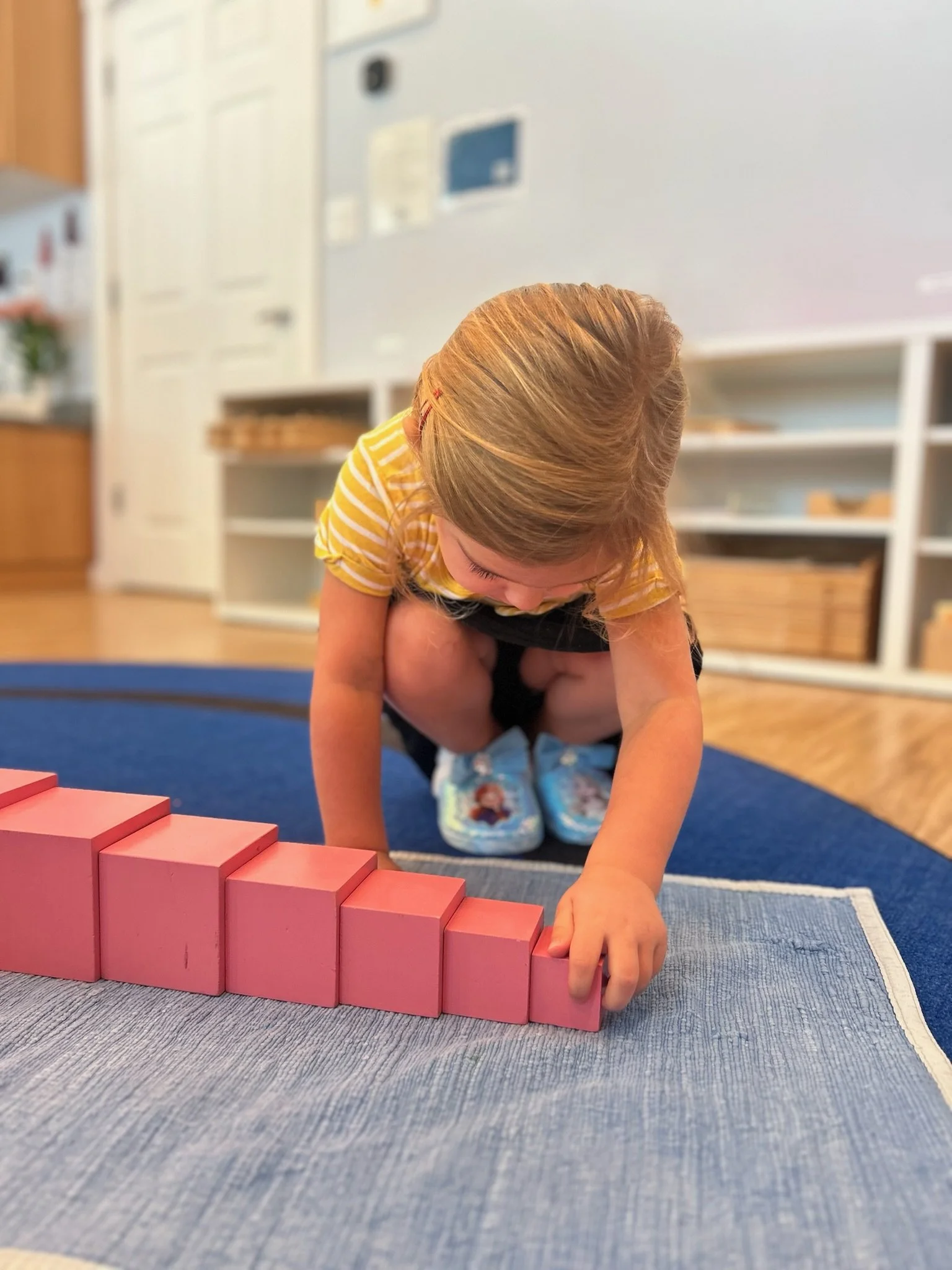
Hands-on materials in Practical Life, Sensorial, Language, Math, and Culture that build both skills and confidence.
Freedom within appropriate limits, so children practice making good choices.
A focus on the whole child: academic, social, emotional, and ethical.
In our upper campus, you will also see project based learning and thoughtful use of technology. Children research, create, and collaborate using digital tools alongside classic Montessori materials.
The tools change with the times, but the core remains the same: follow the child, protect their curiosity, and help them find meaningful work.
Why parents choose Montessori
Families choose Montessori because they want school to nurture a love of learning. They want their children to learn independence. They want kindness and respect to be daily habits. They want strong academics that grow from deep understanding rather than memorization under pressure. In our experience, children who live this rhythm carry those habits into the rest of life: they care for themselves and their space, solve problems with patience, focus well, and ask better questions.
A note from the Head of School
At Our Journey Montessori School, our team is deeply committed to the Montessori philosophy. Every day, we witness how this approach nurtures children into confident, joyful, and capable learners.
In our classrooms, freedom and structure exist in harmony. Children are supported to explore, make choices, and take ownership of their learning within boundaries that make them feel safe, respected, and challenged at just the right level.
Dr. Maria Montessori’s insights were remarkably ahead of her time, and their relevance is as powerful today as ever. We see her wisdom reflected daily in the curiosity, compassion, and independence of our students.
Choosing the right school is an important decision. We invite you to visit our campus, observe a class in action, and see the Montessori difference for yourself.
We look forward to welcoming you to Our Journey and helping you discover whether our community is the right next step for your family.
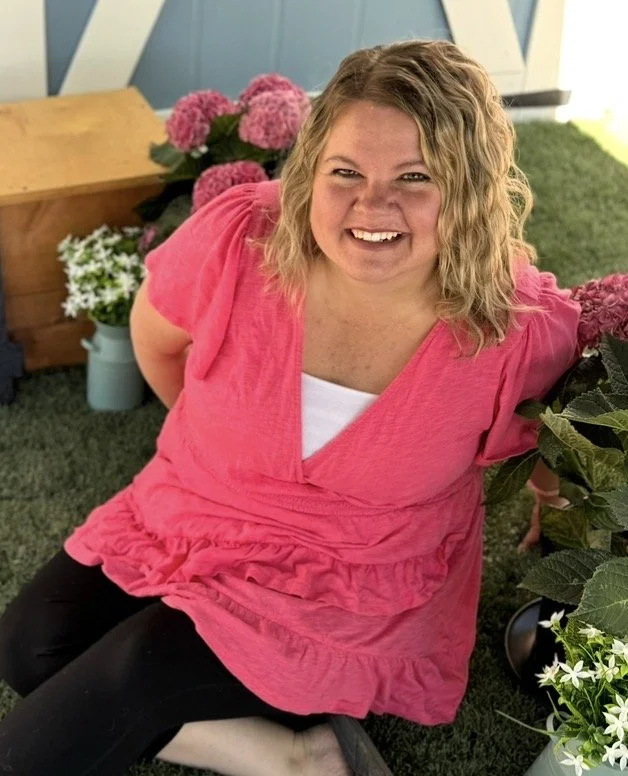
Emily Aune,
Head of School
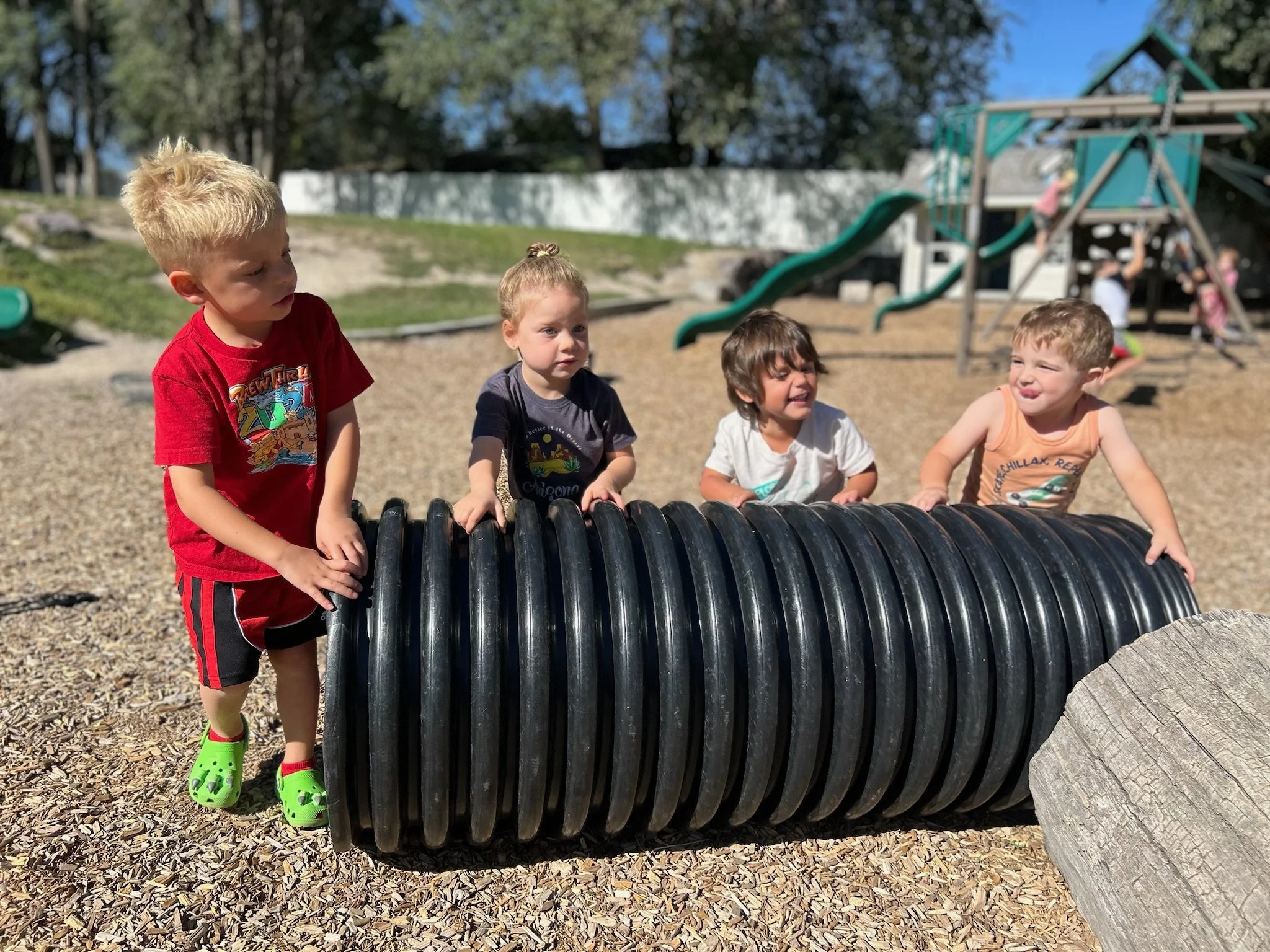
Learn more about Montessori
Curious to go deeper? We are happy to point you to helpful books, articles by age level, and organizations that support Montessori schools and teacher preparation. The Utah Montessori Council, of which Our Journey is a member school, is a great regional resource. The best next step is to visit and watch a class.